#lute #Ted Mann #speculative theory #ancient music

What Happens?

What happens when you take a piece of music that has been silent to most people for centuries…

…and bring it back to life?

I’ve been spending a long time with music written for instruments that most people today rarely hear — music filled with strange turns, unexpected harmonies, voices crossing and intertwining.

And the more I played it, the less it sounded like history.

It sounded alive.

There is a story here.

I’m beginning to tell it.

What is going on here?


Search by clicking on the picture.

This is a double-sided single from the first of five albums. The first album in the series will be released later this month.

Presented here in a mono mix.

What else is going on here?

I am conducting a long intensive research project into the history of fretted stringed instruments and the long path leading to the modern guitar. Through an examination of music, instruments, and manuscripts across the centuries, I am exploring the important role these instruments—and the musicians who played them—had in the development of music itself, a role that has often been overlooked in music theory and history books

So anything else going on?

IN SEARCH OF…

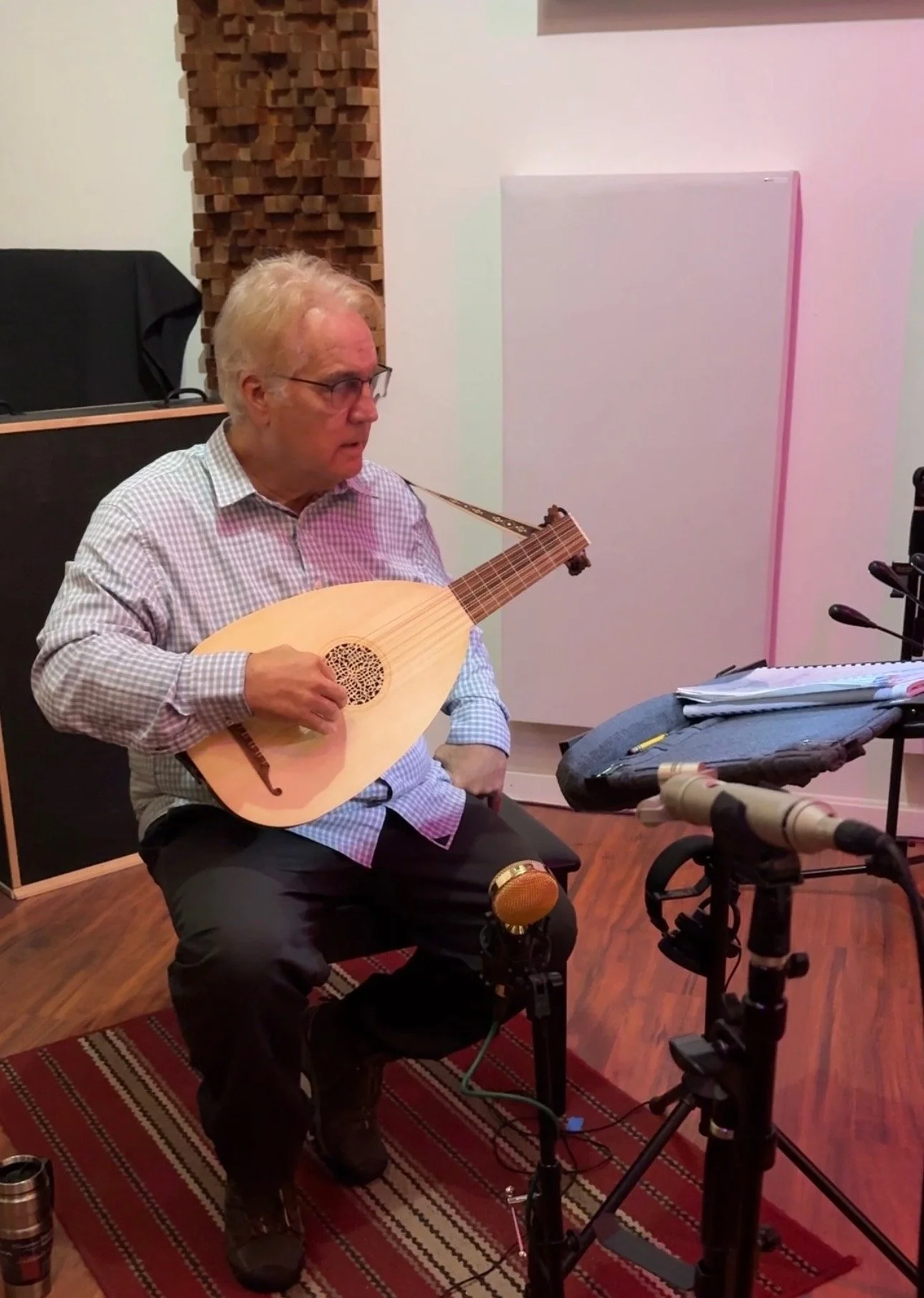
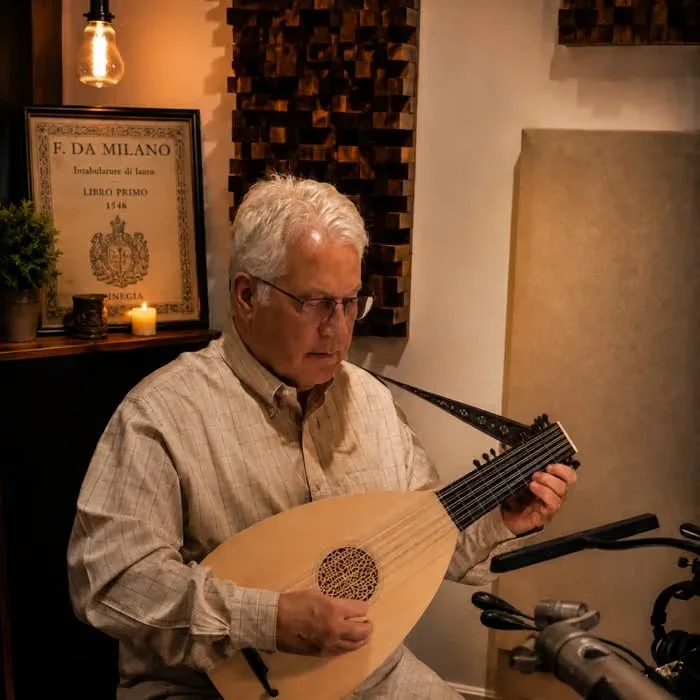
TED MANN — LUTE

Two Renaissance composers.�Two extraordinary pieces.�One instrument.

SIDE A — VINCENZO CAPIROLA 1474–1548�Ricercar

SIDE B — FRANCESCO DA MILANO 1497–1543�Fantasia

Separated by a generation, Capirola and Milano explored what a single fretted instrument could make possible—voices within voices, intricate counterpoint, harmony, and musical invention.

The word ricercar means to search—and Capirola’s music seems to embody that search, taking a musical idea and following it wherever it leads.

Fantasia means imagination—and in Milano’s hands, the lute becomes a place where musical ideas can unfold freely, transform, and become something unexpected.

One searches.One imagines.

Five centuries later, I follow their trail.

Not simply to recreate the past.

But to listen and see for what may have been overlooked.

The manuscripts remain.The music remains.

The search continues. Click to search!

The Search

I am conducting an intensive research project into the early history of fretted instruments and their role in the development of music itself.

I am examining surviving instruments, manuscripts, tablatures, tunings, construction techniques, and the music written for them, looking for evidence of how musicians and composers experimented with musical ideas.

What I instinctively thought—and am increasingly finding—is that these instruments were not simply vehicles for music conceived elsewhere. They were places of experimentation: laboratories for harmony, counterpoint, harmonic movement, cadences, sequences, bass patterns, chordal structures, and more.

In some cases, the music seems to explore ideas that music theory would only later explain and formalize. The instrument and its repertoire appear to be leading the theory rather than simply following it.

Yet the role these instruments and the musicians who played them had in the development of music itself has largely been overlooked.

The evidence is there, often hiding in plain sight.

I am following it wherever it leads.