#early music

A mono single of Luis Milan on vihuela 10/26/26

THE MILÁN PAVAN AND FANTASIA

Luis de Milán · Pavana I & Fantasía XIII

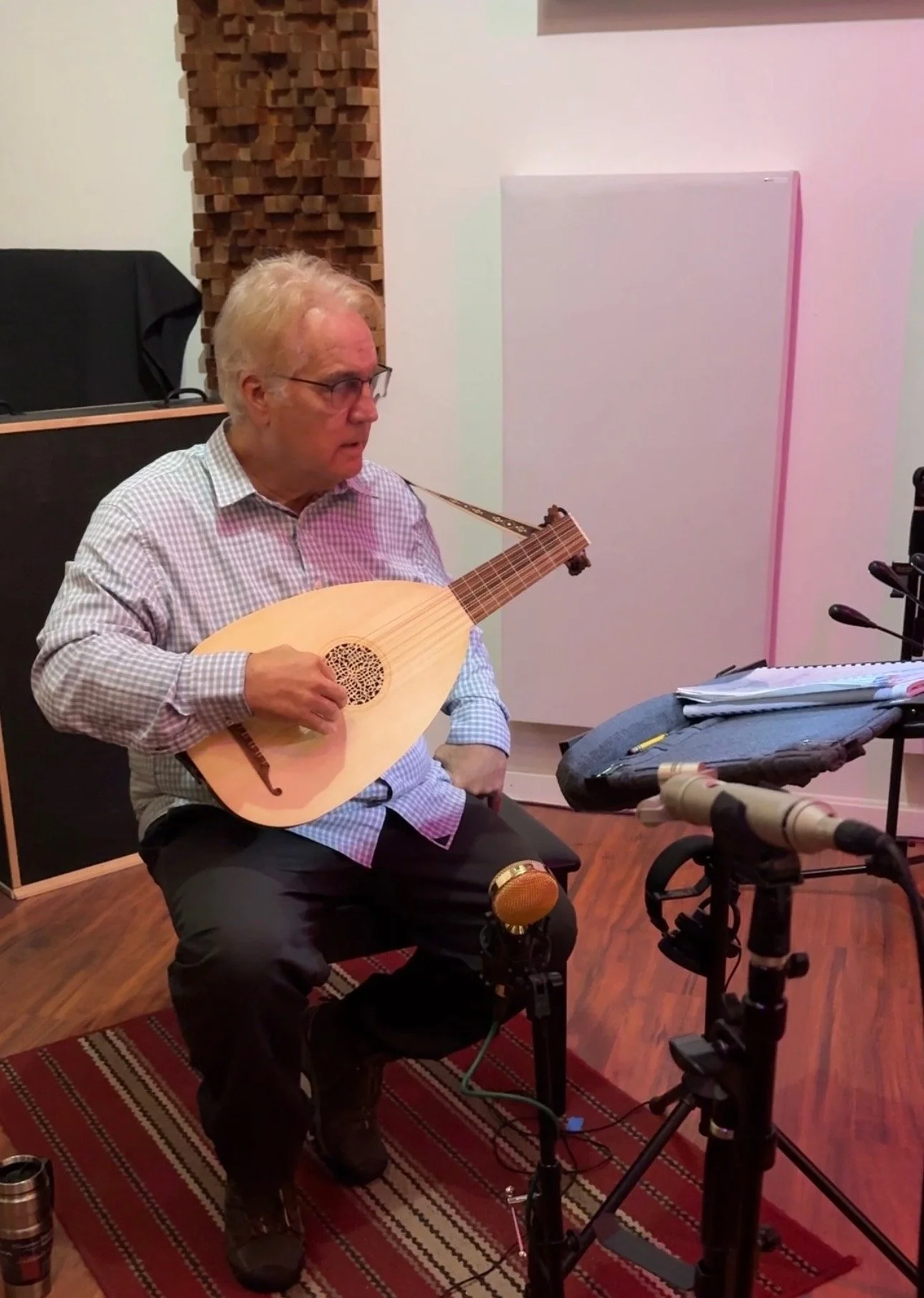
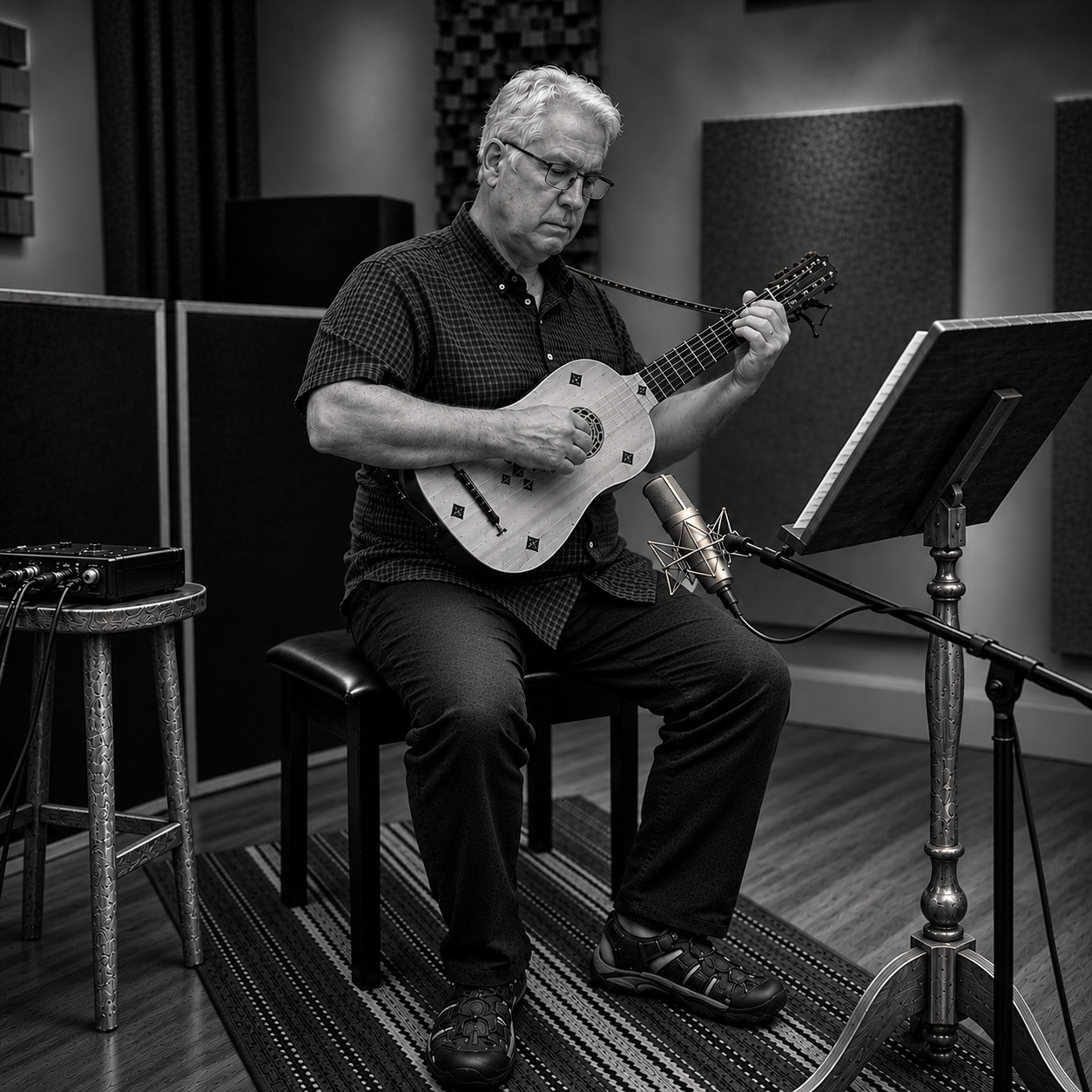
Ted Mann · Vihuela

The music of Luis de Milán takes us back to one of the earliest printed collections of music for a plucked instrument: El Maestro, published in Valencia in 1536.

This new single brings together two contrasting works from that remarkable collection: Pavana I and Fantasía XIII.

The Pavana begins with the measured, chordal character of a dance. Yet, as the music unfolds, unexpected passages emerge—moments of movement and invention that seem to reach beyond the dance itself.

The Fantasía takes us somewhere different. Here, musical ideas seem to develop freely, almost as though the instrument is discovering its own possibilities as the music progresses. Milán himself makes an intriguing connection between certain fantasias and the Italian pavan, suggesting that the boundaries between these forms were not always so clearly defined.

This recording is presented in mono, bringing the sound of the double-course vihuela into a particularly intimate focus. The two strings of each course create a subtle chorusing effect, giving the instrument a distinctive depth and presence.

Two pieces, two different approaches to musical invention, and a glimpse into a world in which the vihuela was helping to shape the language of instrumental music.

Somewhere within these early printed pages, a much larger story remains hidden.

The journey continues.
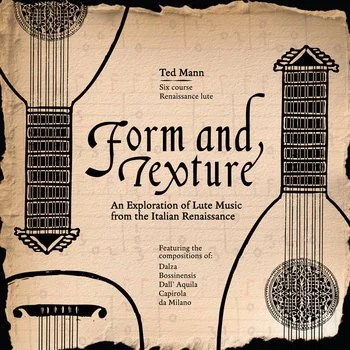
FORM AND TEXTURE — THE JOURNEY CONTINUES----- The Album is OUT

Click on the cover

FORM AND TEXTURE — THE JOURNEY CONTINUES

The album is out. But in many ways, the journey is only beginning.

For years, I’ve been fascinated by a hidden chapter in the history of the guitar — a story that reaches back through centuries of music, manuscripts, instruments, and the musicians who brought them to life.

FORM AND TEXTURE is my first step into that world.

The music of Joan Ambrosio Dalza, Franciscus Bossinensis, Vincenzo Capirola, and Francesco da Milano survives across the centuries, preserved in early printed collections and manuscripts. Playing it today, I find music that is mysterious, restless, playful, and unexpectedly beautiful.

And I keep returning to one question:

What if the instruments themselves helped lead the music somewhere new?

This is more than a recording. It is the beginning of an exploration — of sound, touch, texture, and a musical history that may have been hiding in plain sight.

Thank you to everyone who has listened, shared, and joined me on this journey.

FORM AND TEXTURE — Ted Mann.

The search continues.

What Happens?

What happens when you take a piece of music that has been silent to most people for centuries…

…and bring it back to life?

I’ve been spending a long time with music written for instruments that most people today rarely hear — music filled with strange turns, unexpected harmonies, voices crossing and intertwining.

And the more I played it, the less it sounded like history.

It sounded alive.

There is a story here.

I’m beginning to tell it.

A few Days

Something has been waiting in the strings.

FORM AND TEXTURE: An Exploration of Lute Music from the Italian Renaissance

Ted Mann — lute.

Coming in just a few days.

If you'd like to hear it when it arrives, you can pre-save it on Spotify and Apple now: